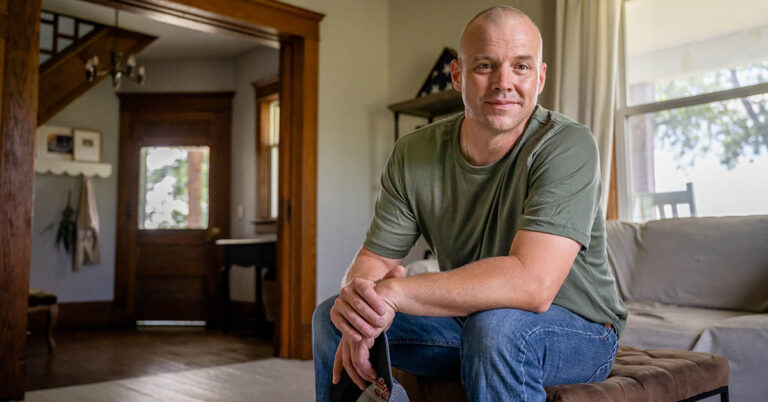
Clinically Reviewed by Chris Bickers, MS, LPC, LCDC
Last reviewed: October 2026
Every day, an average of 17 veterans in the United States die by suicide. Behind that number are families, military units and communities left asking what could have been done. One of the clearest warning signs is also one of the most treatable: substance use.
Research from the VA shows that veterans with substance use disorders face a much higher risk of suicide than veterans without them. Understanding why can help veterans, families and friends recognize the signs earlier and connect with support.
If you or someone you know is in crisis, call or text 988 and press 1 to reach the Veterans Crisis Line. Support is available 24 hours a day, 7 days a week.
Veterans, Addiction and Suicide by the Numbers
In 2024, the Veterans Administration annual report found that 6,398 veterans died by suicide in 2023, averaging an alarming 17 deaths per day.
Substance use appears throughout the findings on veteran suicide. Among veterans in VA care who died by suicide in 2023, 60% had a VA mental health or substance use disorder diagnosis. The VA also reports suicide rates by diagnosis among recent VA users. In 2023, veterans with no mental health or substance use diagnosis had a rate of 28 per 100,000. By comparison, the rate was 97 per 100,000 among veterans with any substance misuse and 101 among those with alcohol addiction. Rates were higher still for veterans with opioid use disorder (121), amphetamine use disorder (233) and sedative use disorder (305).
These are rates among people with each diagnosis, and they show an association rather than proof that substance use caused each death. Still, the gap is large. An earlier VA and University of Michigan study of nearly 5 million veterans, published in the journal Addiction, found that addiction to drugs and alcohol was linked to substantially higher suicide risk in both men and women, with the highest risk for addiction to sedatives such as benzos and sleeping medications. The study noted that co-occurring mental health conditions are part of the association, which is why treating both with clinical and medical intervention is critical to successful recovery outcomes.
LEARN MORE: Treating Addiction and Mental Health, Together
Why Substance Use Raises Suicide Risk
The connection between addiction and suicide is rarely simple, but several pressures tend to overlap. Addiction can deepen depression and hopelessness. Alcohol and many drugs affect brain chemistry, and heavy use can worsen low mood, anxiety and sleep over time. Addictive substances lower inhibition and cloud judgment. Substances can make it harder to think clearly or step back from a painful moment. Addiction can damage family ties, employment and housing, which removes the supports that protect people from crisis.
Together, these consequences fuel shame and isolation. Many veterans hide their use, and secrecy keeps them from the people who could help. Stigma is a dangerous barrier for seeking treatment that saves lives, and it is especially common in the veteran and military communities. Our service men and women are trained to push through pain and avoid showing weakness, which can delay asking for help for years.
Deep Dive: Breaking the Silence: Overcoming the Stigma Veterans Face in Seeking Addiction Help
Co-Occurring Conditions: A Cycle That Feeds Itself
For many veterans, addiction is tied to something deeper. Post-traumatic stress, depression, anxiety and chronic pain from service-related injuries are common among the brave men and women who served. Alcohol or drugs often begin as a way to quiet intrusive memories, ease pain or get through a sleepless night.
The VA’s National Center for PTSD reports that veterans who have had PTSD at some point in their lives are about twice as likely to have alcohol-use problems and three times as likely to have drug-use problems as veterans without PTSD. Over time, the substance that once offered relief can make symptoms worse, which can drive more use and deepen distress.
This is why concerns from the larger veteran and military communities, the numbers, and the research all point the same way: addiction and mental health conditions must be treated together to confront the factors that lead too many heroes to take their own lives. VA studies prove the link between addiction and suicide shrinks once mental health conditions are addressed in concurrence with addiction to drugs and alcohol. Treating one or the other often leaves the cycle in place.
WATCH: Treating Trauma and Addiction
READ: Trauma Triggers: The Risks of Self-Medicating
Warning Signs for Veterans and Loved Ones
No single sign tells the whole story, but a combination of changes in a veteran you care about deserves attention, especially when substance use is part of the picture. There are several warning signs that you should be aware of to help your loved one get clinical intervention they need before it is too late:
- Drinking or using more than before, or using to cope with stress, pain or sleep problems
- Talking about feeling hopeless, trapped, like a burden or like there is no way out
- Withdrawing from family, friends or activities that used to matter
- Big changes in mood, anger, sleep or energy
- Giving away belongings, saying goodbye or putting affairs in order
- Recent loss, such as a job, relationship, home or health, or a recent move out of the service
If you notice these signs in someone you love, ask directly and with care. Asking about suicide does not plant the idea. It shows the person that someone sees them and is willing to listen. Stay with them and connect them to support right away.
IMPORTANT: Calling or texting 988 and pressing 1 reaches the Veterans Crisis Line, and in an emergency, call 911.
An Integrated, Trusted Treatment Model for Veterans
It is important to understand that addiction is a suicide risk factor that can be treated. Care that works for veterans should start with fast access, because delays between deciding to get help and starting care can be risky. An effective addiction treatment program for veteran and military members must treat the whole person, addressing PTSD, depression, anxiety and emotional pain alongside the addiction, and include medication-assisted treatment (MAT) and family care, as well as ongoing recovery support and outpatient programs after a residential treatment stay is completed. Effective care also coordinates with the VA, so that veterans and military members receive the full benefits, support, and resources their service has earned them.
Valley Hope’s Veteran and Military Services Program is built around these elements, offering same-day access to detox, residential and outpatient services, medical and clinical experts, peer support, MAT with FDA-approved medications, case management and care coordination with the VA and community providers, and treatment for co-occurring mental health needs. A large part of treating veterans successfully involves caring for the people around them, that is why Valley Hope’s Family Care Program offers therapy and education for the family members and loved ones of veterans.
Explore our full continuum of care.
Accessing Veteran Addiction Care
Valley Hope is a member of the VA Community Care Network, providing eligible veterans with specialized co-occurring addiction treatment and no out-of-pocket costs with a referral from your local VA.
Find a Valley Hope Treatment Center Near You
How to Get Started Through the VA
The path to care is straightforward:
- Contact your local VA facility. Eligible veterans start by calling the VA to schedule a consultation. If you need help finding the right facility, Valley Hope can help.
- Complete an intake. After a VA Community Care referral, you meet one-on-one with a licensed admissions counselor or admissions nurse. Their assessment informs a treatment plan tailored to you.
- Begin coordinated care. Valley Hope coordinates your care with the VA and encourages continued VA support after treatment.
At Valley Hope, there are no out-of-pocket costs for veterans referred by the VA. Eligibility and referral decisions are made through the VA, so your local VA facility is the best source for details about your situation.
Stay the Course: Begin Healing Today
Remember: substance use is one of the most treatable risk factors in veteran suicide. With timely, integrated care, veterans can begin to heal, and families don’t have to face it alone
WATCH: A Veteran’s Story of Recovery
Addiction and mental health struggles rarely resolve on their own, and they tend to get heavier the longer they’re carried alone. The strength that carried you through service is the same strength it takes to ask for help now. You don’t have to have the right words, and you don’t have to be at your lowest point. You just have to start.
Take the first step today. Call 800-544-5101, available 24/7 to talk with someone who understands. Recovery is possible, and you don’t have to do it alone.
If you are in crisis or having thoughts of suicide, call or text 988 and press 1 to reach the Veterans Crisis Line, available 24 hours a day, 7 days a week. If you are in immediate danger, call 911.
Reviewed by Chris Bickers, MS, LPC, LCDC
Chris Bickers serves as Executive Director of Valley Hope of Grapevine, overseeing residential and outpatient addiction treatment services. He is a Licensed Professional Counselor and Licensed Chemical Dependency Counselor in Texas, with experience treating substance use disorders, trauma, and co-occurring mental health conditions. His work at Valley Hope has included counseling, case management, and clinical leadership. A U.S. Army veteran, Chris brings 15 years of military service to his commitment to compassionate, person-centered care. He earned his Master of Science in Rehabilitation Counseling from the University of North Texas and is trained in Eye Movement Desensitization and Reprocessing (EMDR) therapy.
Take the Next Step With Valley Hope
If you or someone you love is struggling with addiction, compassionate support is available. Since 1967, Valley Hope has helped individuals and families find a path toward recovery through personalized care and ongoing support.
Explore Valley Hope to learn more about our addiction treatment programs, therapies, locations and resources, or call (800) 544-5101 to speak with our team.