Clinically reviewed by Amber Ellis, MA, LAC – Clinical Program Director | Valley Hope of New Directions
Last reviewed: March 2026
While addiction affects people from every background, women often face distinct emotional, relational, and social barriers once they begin the recovery journey. These challenges do not mean recovery is out of reach. They simply mean that healing may require additional layers of understanding, support, and compassion.
From balancing family roles to navigating emotional wounds that may have gone unaddressed for years, women in recovery frequently carry more than just the work of staying sober.
Explore five unique challenges women face in their addiction recovery journey:
1. Stigma and Internalized Shame
Cultural expectations often position women as caregivers, protectors, and emotional anchors. When addiction disrupts that image, women may internalize guilt that lingers long after sobriety begins.
Just as it can fuel the progress of addiction, shame can quietly erode confidence and increase relapse risk by encouraging secrecy and isolation.
To combat feelings of guilt and shame, it requires understanding addiction is a treatable health condition, not a moral failure.
Especially for women at the beginning of the recovery journey, it is essential to ensure you accept and nurture:
- Honest conversations in safe environments
- Family education about the disease of addiction
- Accountability paired with compassion
- Ongoing recovery community support
The treatment team at Valley Hope, many of whom are parents living in recovery, know families can heal together. Our approach emphasizes dignity, grace, and responsibility, helping women rebuild trust without carrying lifelong shame.
Learn more about our philosophy of care.
2. Parenting While in Recovery
Motherhood can be one of the strongest motivations for recovery, and one of its most complex challenges.
Mothers in early sobriety often worry about repairing their relationships with their children, while also staying focused on their recovery routine. Recovery unfolds alongside real life. From keeping kids on schedule with school and extra curriculars, to bedtime routines and family conversations, the reality of parenting in early recovery requires a dual focus.
For many, parenting without substances as a coping mechanism can feel vulnerable at first. Stress, fatigue, and guilt may intensify before emotional stability strengthens.
That does not mean recovery isn’t working. It means healing is underway.
Recovery is not about becoming a perfect parent. It is about becoming a present one.
At Valley Hope, we have walked alongside women and families for six decades. We understand that recovery is not just about stopping substance use, it is about rebuilding trust, rediscovering identity, and restoring hope.
3. Trauma and Emotional Healing
Many women in recovery are not only healing from addiction, but they are also healing from trauma.
Experiences such as domestic violence, childhood neglect, sexual assault, or chronic stress may have contributed to substance use as a coping strategy. That’s why when substances are removed as a masking device, suppressed emotions may surface.
Without tools to process trauma safely, early recovery can feel emotionally intense. Anxiety, depression, or intrusive memories may resurface.
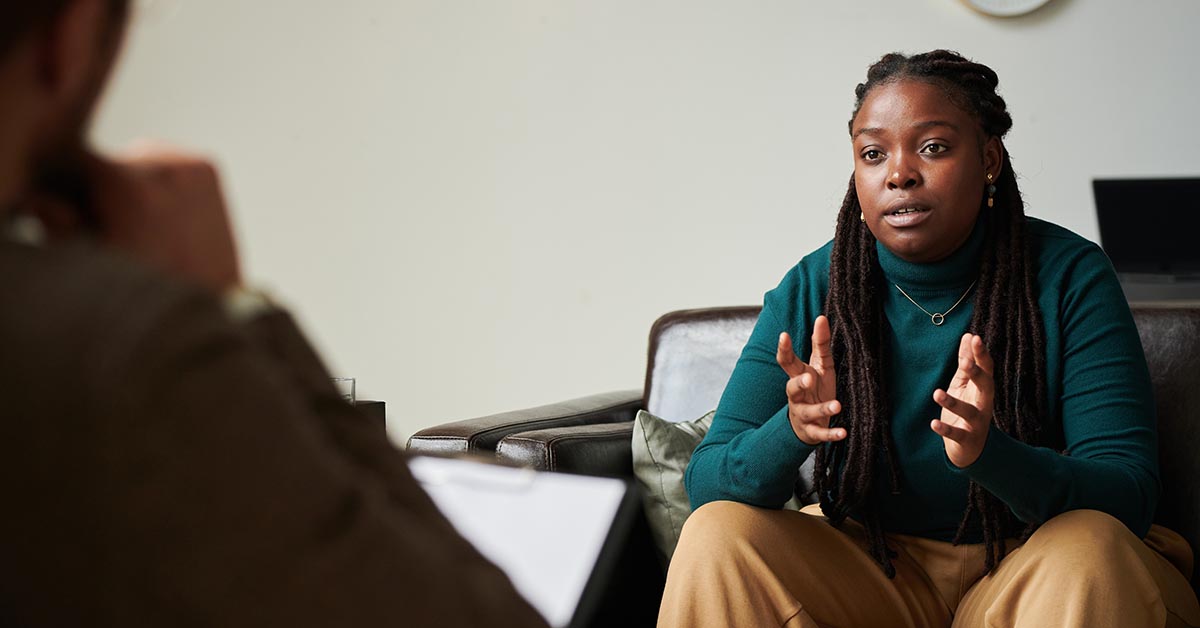
Sustainable recovery requires addressing both substance use and underlying emotional pain, which can be treated through a co-occurring addiction treatment program. A co-occurring treatment approach addresses both mental health conditions such as trauma and substance abuse issues at the same time.
Learn more about the connection between mental health issues such as trauma and addiction.
4. Relationship Changes
Sobriety often reshapes relationships among women.
Some friendships may have centered around drinking, consider “wine Moms” or “girl’s night.” In addition, certain family dynamics may have enabled unhealthy patterns. Even romantic relationships may shift as boundaries strengthen.
These realities can impact the recovery experience for women in recovery. As you develop your sober journey, you may go through periods of loneliness, grief over lost connections, and conflict when asserting new boundaries that protect your recovery.
Collectively, without a stable recovery foundation and routine, women can cave to pressure to return to old habits. But choosing recovery sometimes means choosing long-term health over short-term comfort.
One essential way to prevent the isolation that can come from establishing your recovery boundaries is to focus on building and engaging with a supportive recovery community.
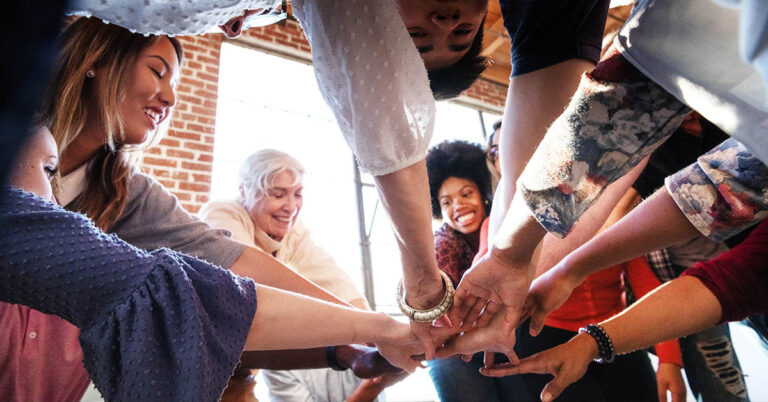
Connection is one of the strongest protective factors in recovery.
5. Identity and Self-Worth
Addiction can become intertwined with identity. Some women associate substance use with social confidence, stress relief, productivity, and acceptance. Without the mask of drugs and alcohol, many women seek to rebuild their identity in sobriety.
In recovery, women often gain a stronger, more grounded sense of self. It is a process of identity found, not lost. Women have a sober space to rediscover personal values, healthy passions, emotional clarity, and authentic confidence as they reclaim their true selves.
Explore how recovery can open the door to new worlds, revived dreams, and, genuine happiness.
Help For Women Seeking Addiction Recovery
The barriers women face in addiction recovery, stigma, parenting pressures, trauma, relationship shifts, and identity changes are real. To overcome those barriers, ensure your sobriety is powered by a strong treatment foundation, solid recovery routine, and a supportive, compassionate community.
For 60 years, Valley Hope has helped women in recovery rebuild trust, restore emotional stability, strengthen family relationships, and rediscover confidence without substances.
Healing does not happen overnight, but it does happen, one step at a time.
If you or someone you love is navigating addiction and is ready to take that first step toward recovery, Valley Hope is here to help:
| TAKE A SELF TEST | VERIFY BENEFITS | CALL FOR HELP (800) 544-5101
Clinical Review by Amber Ellis, MA, LAC
Clinical Program Director
Amber is a Clinical Program Director specializing in addiction recovery and behavioral health treatment. She reviewed this article for clinical accuracy and evidence-based guidance.
Take the Next Step With Valley Hope
If you or someone you love is struggling with addiction, compassionate support is available. Since 1967, Valley Hope has helped individuals and families find a path toward recovery through personalized care and ongoing support.
Explore Valley Hope to learn more about our addiction treatment programs, therapies, locations and resources, or call (800) 544-5101 to speak with our team.