Reviewed by Jon Siebert, M.D.
Last reviewed: April 2026
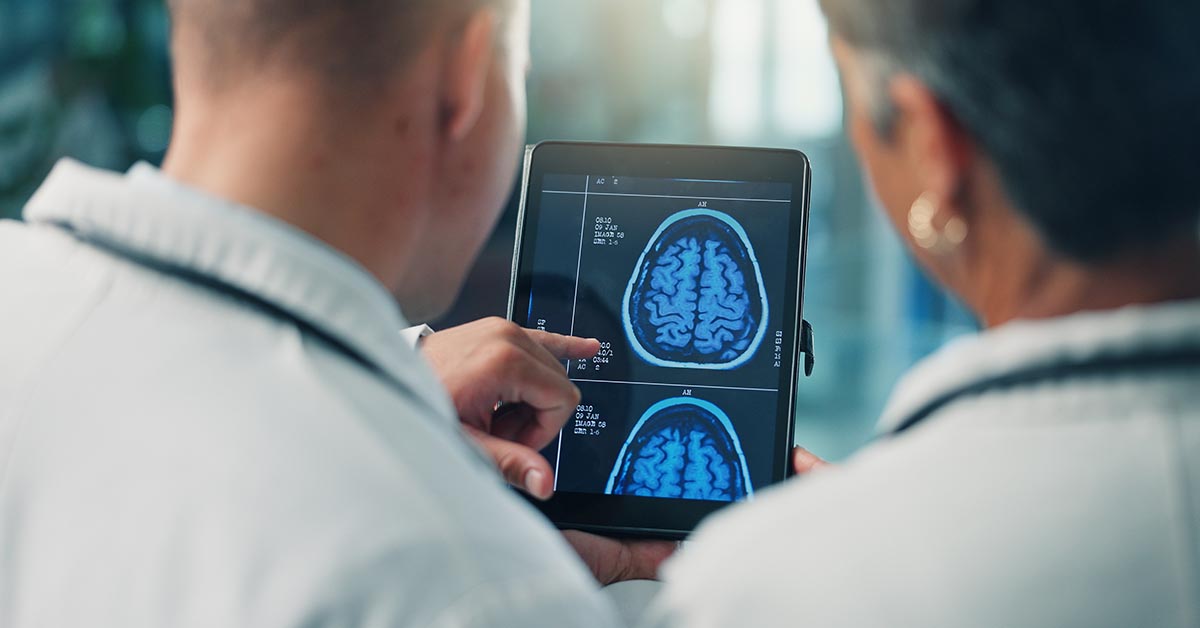
If you or someone you love is struggling with substance use, one of the most powerful things you can learn is that addiction is not a character flaw. It is not a lack of willpower. It is not a choice that someone simply needs to “snap out of.” Addiction is a complex brain disease and decades of neuroscience research back that up.
Understanding what happens inside the brain during addiction can help reduce shame, build compassion, and motivate people to seek the help they deserve.
Explore the essential facts about addiction and the brain that every person, family member, and caregiver should know.
Fact #1: Addiction Hijacks the Brain’s Reward System
The human brain is wired to seek pleasure. When we eat a good meal, connect with someone we love, or accomplish a goal, the brain releases a chemical called dopamine that feeds positive feelings into the brain’s reward center. This is a healthy, natural process designed to reinforce behaviors that help us survive and thrive.
According to the Recovery Research Institute, addictive substances exploit this same system, but with a critical difference. Addictive drugs can release significantly more dopamine than non-drug-related rewards, and they do it more quickly and with more regularity, creating a shortcut to the brain’s reward system by flooding it with dopamine.
Over time, the brain tries to compensate for this flood by becoming less sensitive to dopamine, a process known as tolerance. This is why people with addiction find that they need more of a substance just to feel normal, and why everyday pleasures begin to feel flat or meaningless by comparison. The brain has been rewired to prioritize the substance above everything else.
This is not weakness. This is neuroscience.
At Valley Hope, our evidence-based treatment programs are specifically designed to address the physical and neurological dimensions of addiction, helping your brain begin to heal from the inside out. If you or someone you care about is struggling with addiction, immediate help is available. Reach out to an addiction professional at Valley Hope today to learn more.
Fact #2: Addiction Changes the Structure of the Brain
Repeated substance use does not just affect how the brain functions in the moment it can actually change the brain’s physical structure. In drug addiction, the prefrontal cortex, the part of the brain associated with judgment and decision-making, is particularly impacted, causing individuals with substance use disorders to often have difficulties with impulse control related to their substance use.
This helps explain something that can be confusing and painful for families. Why would a person who clearly loves their children, their job, and their life still cannot seem unable to stop using? Because, the part of the brain responsible for weighing consequences and making rational long-term decisions has been compromised by the disease.
Research from Harvard Medical School shows that more than 90 percent of individuals with addiction have been exposed to trauma, and that a history of trauma and stress greatly increases the risk of addiction as normal drives become hijacked so that everyday rewards are no longer as satisfying.
Understanding this brain-based reality is one reason why Valley Hope’s treatment approach includes trauma-informed care alongside clinical therapy. With a 60-year legacy of providing clinical care to patients and families, we know healing the whole person means addressing what the brain has experienced, not just what the body is dependent on.
Fact #3: Addiction Is a Medical Disease, Not a Moral Failure
For generations, addiction was viewed through a moral lens: as a personal failing, a sign of weakness, or a lack of discipline. Science has firmly dismantled that narrative. The foundational premise that addiction has a neurobiological basis is fundamentally sound, and denying that addiction is a brain disease contributes to a dangerous stigma that reduces access to healthcare and treatment with potentially catastrophic consequences.
Learn more about stigma and addiction.
Just as no one chooses to develop diabetes or heart disease, no one chooses addiction. Genetic factors, early childhood experiences, mental health history, and environmental influences all interact to shape a person’s risk. A substantial body of research accumulated by the National Library of Medicine over decades has transformed our understanding of substance use and its effects on the brain, opening new ways of thinking about prevention and treatment of substance use disorders.
This is why the language we use around addiction matters. Words like “junkie,” “addict,” or “druggie” carry stigma that keeps people from reaching out for help. Person-first language such as someone with a substance use disorder, a person in recovery, reflects the medical reality that addiction is a treatable disease.
If shame has kept you or someone you love from asking for help, know this: asking for treatment is not admitting defeat. It is getting the right care for a real medical condition.
Learn more about how Valley Hope approaches addiction as a disease and what makes our compassionate model of care different.
Fact #4: The Brain Can Heal in Recovery
One fact that reveals the power of sobriety is that the brain has a remarkable capacity to recover. While addiction causes lasting changes, those changes are not necessarily permanent. With sustained sobriety and the right treatment support, the brain begins to restore healthier function over time.
Studies by the Recovery Research Institute show that after just one month of abstinence, brain activity in recovering individuals shows measurable changes, and after 14 months of abstinence, dopamine transporter levels in the brain’s reward center can return to a nearly normal level of functioning.
This recovery of brain function is one of the most compelling arguments for seeking treatment as early as possible. The sooner someone enters a structured treatment program, the sooner the brain can begin its healing process, and the stronger the foundation for long-term recovery.
To begin the process of healing from addiction, medically-monitored detoxification is recommended for safety and comfort. Valley Hope’s medical detox program is designed to safely manage withdrawal under 24/7 clinical supervision, giving the brain and body the stable, supported start they need to begin recovering. From there, our residential and outpatient programs build on that foundation with therapies proven to support lasting change.
Fact #5: Treatment Works and Recovery Is Real
Perhaps the most important fact about addiction and the brain is this: with the right clinical help and sobriety support, recovery is absolutely possible. Addiction is a chronic disease, but like many chronic conditions, it responds to treatment. People recover every day. Families are rebuilt. Lives are reclaimed.
Effective addiction treatment works on multiple levels simultaneously, addressing the neurological changes in the brain, the emotional wounds underneath the substance use, the family dynamics affected by addiction, and the practical tools needed to sustain sobriety in daily life. No single approach works for everyone, which is why individualized, comprehensive care is so important.
At Valley Hope, we know recovery can works because we see it every day in our patients, our co-workers and our expansive alumni community. Since 1967, Valley Hope has helped more than 350,000 individuals and families heal from addiction. Over those 60 years of helping patients and families, Valley Hope has built a national reputation as one of the top providers in delivering excellent patient experience.
Addiction Risks Are Real. So Is Recovery.
Addiction changes the brain. But the brain can heal. And recovery, with the right support, is not just possible, it is happening every day for people just like you.
You don’t have to navigate this alone. Valley Hope offers confidential, compassionate drug and alcohol addiction treatment tailored to your unique needs, with licensed medical and clinical teams, wrap around support, and alumni programs built around lasting recovery.
Ready to have a conversation about healing? Speak with a recovery specialist now. One conversation can change everything. We know, because many of us have been where you are now. At Valley Hope, recovery can start today. Insurance accepted, check your benefits now.
Reviewed by Jon Siebert, M.D.
Dr. Siebert has spent more than 20 years in medicine. He is board certified in family practice, as well as addiction medicine by the American Board of Preventative Medicine. As Medical Director, Dr. Siebert ensures that all Valley Hope facilities maintain good medical care for patients and oversees medication assisted therapy when appropriate. Dr. Siebert earned his Bachelor of Science in biology from Kansas State University and a medical degree from the University of Kansas School of Medicine.
Take the Next Step With Valley Hope
If you or someone you love is struggling with addiction, compassionate support is available. Since 1967, Valley Hope has helped individuals and families find a path toward recovery through personalized care and ongoing support.
Explore Valley Hope to learn more about our addiction treatment programs, therapies, locations and resources, or call (800) 544-5101 to speak with our team.